Friday, May 27, 2011

Perennials for Sun

 
Zauschneria latifolia July 2010

Paeonia veitchii May 2010

Kniphofia nelsonii June 2009

Lilium 'White Henryi' July 2010

 Sedum 'Matrona' August 2008

Here is a list of sun-loving perennials for gardens in Seattle, the Pacific Northwest & USDA Zone 8.  It includes xeric perennials (those that like dry conditions) & perennials for moist sites.  Most of these plants are fairly common in the temperate gardens of North America & Europe. None are difficult to grow.  A perennial is any plant, not woody, that lives for at least a few years, although some are short-lived.  Perennials include bulbs & grasses.  Perennial groundcovers are listed in Groundcovers for Sun.  Some genera have species that are both annuals & perennials, or both perennials & shrubs.  Some perennials blur the line between perennials & shrubs, & are often called sub-shrubs.  Some can be weedy, spreading widely by seeds.  Others spread by stolons, which are horizontal above-ground shoots.  Those are noted, although the worst of them are not listed here.  A single common name is noted when the plant has a common name.  While some have several common names, others have none at all.  An excellent reference book for perennials is Perennials: The Definite Reference With Over 2,500 Photographs by Roger Phillips & Martyn Rix.

Perennials for Sun
Acanthus hungaricus, Acanthus mollis, Acanthus spinosus (Bear's Breeches): & other species
Achillea (Yarrow): many species
Agapanthus campanulatus (Lily of the Nile): often sold as Headbourne Hybrids
Alcea rosea (Hollyhock): many cultivars
Allium (Ornamental Onion): many species
Anthemis tinctoria (Marguerite Daisy): xeric
Armeria maritima (Thrift): xeric
Aster (Michaelmas Daisy): many species & cultivars
Astrantia major (Masterwort): some cultivars
Baptisia australis (False Indigo): sun, tolerates some dryness.
Campanula (Bellflower): many species
Centranthus ruber (Valerian): xeric
Cheiranthus cheiri (Wallflower)
Coreopsis (Tickseed): xeric
Crocosmia (Flaming Iris): taller cultivars need support
Crocus: many species & cultivars
Cynara cardunculus (Cardoon): tall & dramatic
Delphinium (Larkspur): many cultivars, needs staking
Dianthus (Carnations & Pinks): many cultivars
Digitalis (Foxglove): short-lived but will return from seed
Echinops ritro (Globe Thistle): xeric
Echinacea paradoxa (Yellow Coneflower) Echinacea purpurea (Purple Coneflower): & other species & many cultivars
Erigeron glaucus (Beach Aster) Erigeron karvinskianus (Santa Barbara Daisy) Erigeron speciosus (Showy Fleabane): & other species
Eriophyllum lanatum (Oregon Sunshine): xeric
Eryngium amethystinum, Eryngium bourgatii, Eryngium planum, Eryngium variifolium  (Sea Holly): & other species, E planum needs support
Eucomis comosa (Pineapple Lily): many cultivars
Eupatorium purpureum (Joe Pye Weed): & other species, needs moisture, may need staking
Festuca ovina ‘Elijah Blue’ (Blue Fescue): short-lived with some seeding
Fritillaria imperialis (Crown Imperial) Fritillaria meleagris (Chequered Lily): & other species
Galtonia candicans (Summer Hyacinth)
Gaura lindheimeri (Gaura): xeric, spreads widely by seed
Geranium cantabrigiense, Geranium 'Johnson's Blue', Geranium sanguineum (Cranesbill): many species & cultivars, not to be confused with Pelargonium (Geranium)
Geum (Avens): many species & cultivars
Gladiolus (Gladiolus, often Gladiola): many species & cultivars, some need staking
Helianthemum nummularium (Sunrose): several cultivars, xeric
Helenium autumnale (Sneezeweed): & other species, does not cause sneezing
Hemerocallis (Daylily): very many cultivars
Hyacinthus orientalis (Hyacinth): many cultivars, not to be confused with Muscari (Grape Hyacinth)
Kniphofia (Torch Lily): many species & cultivars
Lathyrus vernus (Perennial Vetch): short-lived with some seeding
Liatris spicata (Gayfeather)
Lilium (Lily): many species & cultivars
Linaria (Toadflax)
Lobelia cardinalis (Cardinal Flower): needs moisture, Lobelia tupa (Tupa): xeric, & other species
Lupinus (Lupine): many species & cultivars, some are shrubs
Lychnis coronaria (Rose Campion): xeric
Mimulus (Monkey Flower): many species, needs moisture or wetness
Monarda didyma (Bee Balm): several cultivars
Narcissus pseudonarcissus (Daffodil) Narcissus jonquilla (Jonquil): many species & cultivars
Nectaroscordum siculum (Mediterranean Bells)
Oenothera (Evening Primrose): spreads widely by seed
Ornithogalum umbellatum (Star of Bethlehem): xeric
Paeonia (Peony): many species & cultivars, some are shrubs, very long-lived
Panicum virgatum (Switchgrass): xeric
Papaver orientale (Oriental Poppy): & other species
Pennisetum setaceum (Fountain Grass) 
Penstemon (Beardtongue): many species & cultivars, some shrubby, short-lived
Perovskia atriplicifolia (Russian Sage): xeric
Persicaria affinis, Persicaria amplexicaulis, Persicaria bistorta, Persicaria virginiana (Knotweed): needs moisture, can be invasive
Phlomis russeliana (Jerusalem Sage): xeric
Phlox (Phlox): many cultivars
Pulsatilla vulgaris (Pasque Flower): several cultivars
Ratibida columnifera (Mexican Hat): xeric
Romneya coulteri (Matilija Poppy): xeric, spreads widely by stolons
Salvia (Sage): many species, short-lived
Scilla peruviana (Giant Squill): xeric, from Spain, not Peru
Solidago (Goldenrod): many species
Tradescantia virginiana (Spiderwort): some cultivars
Scrophularia macrantha: xeric
Sedum 'Autumn Joy', Sedum 'Matrona', Sedum 'Vera Jameson' (Stonecrop): & other cultivars, xeric
Stachys byzantina (Lamb’s Ears) Stachys monieri 'Hummelo' (Betony): & other species
Veronica spicata (Speedwell): & other species & cultivars
Zauschneria californica (California Fuchsia) Zauschneria latifolia: & other species, spreads widely by stolons

Friday, May 20, 2011

The Seattle Chinese Garden: Phase 1

 Entrance to the Knowing the Spring Courtyard March 2011

Knowing the Spring Courtyard from outside. March 2011

 Knowing the Spring Courtyard March 2011

 Knowing the Spring Courtyard March 2011

 Knowing the Spring Courtyard March 2011

 Knowing the Spring Courtyard March 2011
 
Knowing the Spring Courtyard March 2011

 Corridor outside the Knowing the Spring Courtyard March 2011

 Song Mei (Pine & Plum) Pavilion March 2011

When I read that the Seattle Chinese Garden had completed the first phase of construction, the Knowing the Spring Courtyard, I expected to be unimpressed. I had seen only one Chinese garden, the Dr. Sun Yat-Sen Classical Chinese Garden in Vancouver, British Columbia.  Each of the courtyards there is fairly small.  I was amazed to find that the entire Vancouver garden would seem to fit inside the Knowing the Spring Courtyard in Seattle.  Aside from a vast expanse of undistinguished paving, the courtyard is quite pleasing.  You may find that viewing it through the windows of the corridor that runs outside the east wall is more charming.  While very clearly Chinese, the architecture has, to some extent, a modern American feel.  However, the official website states that ‘the garden will be the first in the United States to authentically represent the Sichuan style.’  The nearby Song Mei (Pine & Plum) Pavilion is very nice.  Artisans from the Chang Shu Ancient Style Garden Design Construction Company with lead garden designer Feng Dacheng from the Chongqing Bureau of Parks & Greenery finished this phase in November 2010.  It opened in February 2011. Chongqing & Seattle are sister cities.  The plan for the remainder of the garden is quite ambitious.  ‘The 4.6-acre Seattle Chinese Garden will be one of the largest Chinese gardens outside of China, showcasing not only plants, but also stone, architecture and water elements that are customary to Chinese gardens. Dense and complex, it will change dramatically with each season.’  Visit the Seattle Chinese Garden website for more details.  You might also enjoy the Seattle Chinese Garden blog.  The garden is located adjacent to the South Seattle Community College Arboretum.  Below is a map of the future garden.  

Map of the Seattle Chinese Garden (when completed)

Friday, May 13, 2011

Pacific Coast Native Iris in the Cascadia Garden

 Iris douglasiana May 2009

Iris douglasiana May 2010 

Iris douglasiana May 2010

 Iris hartwegii May 2010

 Iris hartwegii May 2010

Iris tenax May 2009

Iris macrosiphon May 2010

Pacific Coast Hybrid Iris May 2010

 Pacific Coast Hybrid Iris May 2010

Pacific Coast Hybrid Iris May 2010

I love Pacific Coast Native Iris (PCNI) best among the Iris in my garden in Seattle.  I like the evergreen foliage.  I like the small size & the fact they don't need staking.  I love the flowers.  To my mind, many garden Iris have grotesquely large & gaudy flowers.  Compared to these, PCNI seem pure & simple.  There are 11 species of PCNI, most of them found in California.  Many are hard to obtain.  Not all flourish in Seattle.  PCNI are also hybridized.  The hybrids are not always as appealing to me as the species.  I've grown Pacific Coast Hybrid Iris from seed I got from the Society for Pacific Coast Native Iris (SPCNI).  You can see the results above.  I like Iris douglasiana best.  I'm also pleased with Iris macrosiphon & Iris hartwegii.  These 3 are robust in my garden.  Most hybrids are created from Iris douglasiana & Iris innominata.  In my garden, PCNI bloom in May.

PCNI in the Cascadia Garden
Iris chrysophylla
Iris douglasiana
Iris hartwegii
Iris macrosiphon
Iris purdyi
Iris tenax

Friday, May 6, 2011

April Garden Pictures & Bloom Times

Ajuga reptans April 2011

Arctostaphylos x media April 2011

Bergenia 'Pink Dragonfly' April 2011

Epimedium colchicum var. pinnatum April 2011

Rhododendron campylogynum 'Celsum' April 2011

Below is a list of plants that began to bloom in my garden in Seattle in April  2011. I recorded the date when the 1st flower opened, not when they were in bud. I think this information is helpful in planning your garden. If you need more plants that bloom in April, you can choose some from the list.  This can help you to combine flower colors.  Nurseries in Seattle usually sell plants when they are in bloom. I have included dates from previous years. Weather conditions probably account for most of the difference in bloom times.  April 2011 set a record, at 52.2F/11.2C, for the lowest average-daily-high-temperature since record-keeping began in 1891.  The average average-daily-high-temperature for April is 58.2F/14.5C.  April 2011 was also more rainy that usual.  In marked contrast, April 2010 was quite warm.

04-01-11  Berberis thunbergii ‘Crimson Pygmy’ 3-15-10, 4-23-09, 4-15-08
04-02-11  Muscari latifolium
04-02-11  Narcissus ‘Limbo’
04-02-11  Erythronium oregonum 3-17-10, 4-09-09, 3-27-08
04-04-11  Geranium phaeum 4-01-10, 4-24-09
04-06-11  Arctostaphylos ‘White Lanterns’
04-06-11  Dicentra formosa 3-21-10, 4-15-09, 4-10-08
04-06-11  Sanguinaria canadensis ‘Multiplex’ 3-19-10, 4-7-09, 4-03-08
04-06-11  Tulipa dasystemon 3-26-10, 4-16-09 4-18-08
04-09-11  Asarum caudatum
04-09-11  Magnolia ‘Susan’ 3-15-10, 4-15-09, 4-15-08
04-09-11  Tulipa praestans ‘Zwanenburg’ 3-26-10, 4-09-09, 3-30-08
04-11-11  Dicentra spectabilis 3-29-10, 4-09-09, 4-15-08
04-11-11  Fragaria vesca 3-21-10, 4-09-09, 4-25-08
04-11-11  Jeffersonia diphylla 3-21-10, 3-30-08
04-12-11  Lewisia cotyledon 3-19-10, 4-16-09, 4-15-08
04-12-11  Narcissus ‘Hawera’ 3-27-10
04-12-11  Sedum palmeri 3-29-10, 4-16-09, 4-25-08
04-13-11  Ajuga reptans 4-15-08
04-14-11  Saruma henryi 4-03-10, 4-23-09, 4-18-08
04-16-11  Trillium chloropetalum 3-29-10, 4-21-09, 4-10-08
04-18-11  Ribes x gordonianum 3-26-10, 4-07-09, 4-10-08
04-20-11  Tulipa ‘Golden Apeldoorn’ 4-04-10, 4-17-09
04-20-11  Tulipa ‘Little Princess’ 4-03-10, 4-20-09, 4-21-08
04-21-11  Paeonia mascula x obovata 3-26-10, 4-22-09, 4-18-08
04-21-11  Primula auricula 4-05-10
04-22-11  Euphorbia cyparissias 3-29-10, 4-13-09 4-18-08
04-24-11  Rhododendron campylogynum ‘Celsum’ 4-09-10, 4-24-09, 4-28-08
04-25-11  Lamium maculatum 3-27-10, 5-04-09, 4-21-08
04-25-11  Lathyrus vernus 4-22-10, 4-24-09, 4-15-08
04-26-11  Camassia leichtlinii ‘Caerulea’ 4-13-10, 5-1-09, 4-29-08
04-27-11  Paeonia cambessedesii 4-17-10, 4-27-09, 4-28-08
04-28-11  Daboecia cantabrica ‘Rainbow’ 4-15-10, 4-27-09, 5-10-08
04-28-11  Ribes nevadense 4-18-10, 4-29-09
04-30-11  Ceanothus gloriosus var. exaltatus ‘Emily Brown’
04-30-11  Smilacina stellata 4-13-10, 5-01-09
04-30-11  Tellima grandiflora 4-17-10, 5-03-09, 5-02-08

Friday, April 29, 2011

The Western Washington Native Garden

Aquilegia formosa in Colman Park May 2010

Cornus canadensis at the Bellevue Botanical Garden March 2010

Spiraea douglasii in Discovery Park June 2010

Lysichiton americanum at the Bellevue Botanical Garden March 2010

Physocarpus capitatus in Carkeek Park June 2010

Rubus spectabilis in Madrona Park April 2010

 Trillium ovatum in Madrona Park April 2010

Here is a fairly extensive list of western Washington native plants.  This is probably most useful for people who are serious about making a native garden, a worthy goal.  Those who want to add a few common native plants to their garden might find it easier to consult the shorter list in the post, Western Washington Native Plants in the Cascadia Garden.  I recommend native plants because they are likely to succeed here where they have evolved.  Native plants often require no irrigation & little maintenance.  But you may find some of these plants are hard to find, or difficult to grow.  I’ve had no luck at all with Dodecatheon (Shooting Star).  In fact, I'm sure many of these plants would not do well in my very dry garden.  You would be wise to research the conditions these plants need before acquiring any of them.  There are plants here for both sun & shade.  Plants that require a wet environment are noted.  Many of the perennials are adapted to grow under trees.  But there are also perennials from meadows & forest clearings.  I have not listed native grasses because I have found many of them to be invasive: they do much too well here.  For a rich & satisfying native garden, include as many of these plants as possible.  Most nurseries in Seattle stock native plants.  A nursery that sells only native plants is Go Natives!  You can also find native plants at the Washington Native Plant Society plant sales.  Check their website for dates.  For information about native plants I highly recommend Plants of the Pacific Northwest Coast by Pojar & MacKinnon.

The Washington Native Garden Plant List
Trees
Abies amabilis (Silver Fir) Abies grandis (Grand Fir): sun
Acer circinatum (Vine Maple) Acer macrophyllum (Bigleaf Maple): sun or shade
Alnus rubra (Red Alder): sun
Arbutus menziesii (Madrona): sun
Betula papyrifera (Paper Birch): sun
Chamaecyparis nootkatensis (Alaskan Cedar): sun
Crataegus douglasii (Black Hawthorne): sun
Picea sitchensis (Sitka Spruce): sun
Pinus contorta var. contorta (Shore Pine) Pinus monticola (Western White Pine) Pinus ponderosa (Ponderosa Pine): sun
Quercus garryana (Garry Oak): sun or shade
Pseudotsuga menziesii (Douglas Fir): sun
Taxus brevifolia (Western Yew): sun or shade
Thuja plicata (Western Red Cedar):sun or shade
Tsuga heterophylla (Western Hemlock): sun or shade

Shrubs
Amelanchier alnifolia (Serviceberry): sun
Arctostaphylos columbiana (Hairy Manzanita): sun
Ceanothus sanguineus (Buckbrush) Ceanothus velutinus (Snowbrush): sun
Gaultheria shallon (Salal): sun or shade
Holodiscus discolor (Oceanspray): sun or shade
Juniperus communis (Common Juniper): sun
Lonicera involucrata (Black Twinberry): sun or shade
Mahonia aquifolium (Oregon Grape) Mahonia nervosa, Mahonia repens: sun or shade
Oemleria cerasiformis (Indian Plum): shade
Philadelphus lewisii (Mock Orange): sun
Physocarpus capitatus (Ninebark): sun or shade
Rhododendron macrophyllum: shade
Ribes sanguineum (Flowering Currant): sun or shade
Rosa gymnocarpa (Baldhip Rose) Rosa nutkana (Nootka Rose): sun
Rubus parviflorus (Thimbleberry): sun Rubus spectabilis (Salmonberry): sun or shade
Sambucus caerulea (Blue Elderberry) Sambucus racemosa (Red Elderberry): sun or shade
Spiraea douglasii: sun
Symphoricarpos albus (Common Snowberry): sun or shade
Vaccinium membranaceum (Black Huckleberry) Vaccinium ovatum (Evergreen Huckleberry) Vaccinium parvifolium (Red Huckleberry): shade
Viburnum edule (Highbush Cranberry): sun or shade

Perennials
Achillea millefolium: sun
Achlys triphylla (Vanilla Leaf): shade
Adiantum aleuticum (Maidenhair Fern): shade
Allium cernuum (Nodding Onion): sun
Anaphalis margaritacea (Pearly Everlasting): sun
Aquilegia formosa (Red Columbine): sun
Armeria maritima (Thrift): sun
Aruncus dioicus (Goat's Beard): shade
Aster modestus, Aster subspicatus: sun
Athyrium filix-femina: shade
Blechnum spicant (Deer Fern): shade
Brodiaea coronaria (Harvest Brodiaea) Brodiaea hyacinthina (Fool’s Onion): sun
Camassia leichtlinii, Camassia quamash (Camas): sun
Campanula rotundifolia (Common Harebell): sun
Clintonia uniflora (Queen’s Cup): shade
Corydalis scouleri: shade
Dicentra formosa (Bleeding Heart): shade
Disporum hookeri (Hooker’s Fairybells): shade
Dodecatheon pulchellum (Shooting Star): sun
Erigeron speciosus (Showy Fleabane): sun
Eriophyllum lanatum (Oregon Sunshine): sun
Erythronium grandiflorum (Yellow Glacier Lily) Erythronium oregonum (Fawn Lily): sun or shade
Fritillaria lanceolata (Chocolate Lily): sun
Helenium autumnale (Sneezeweed): sun
Heuchera glabra, Heuchera micrantha (Alum Root): shade
Iris tenax (Oregon Iris): sun
Leucanthemum vulgare (Oxeye Daisy): sun
Lewisia columbiana: sun
Lilium columbianum (Tiger Lily): sun
Luina hypoleuca: sun
Lupinus polycarpus, Lupinus polyphyllus (Lupine): sun
Lysichiton americanum (Skunk Cabbage): sun or shade & wet
Mimulus guttatus, Mimulus moschatus, Mimulus lewisii (Monkey Flower): sun & wet
Mitella pentandra (Mitrewort): shade
Petasites palmatus (Coltsfoot): sun or shade & wet
Penstemon cardwellii, Penstemon davidsonii, Penstemon serrulatus (Beard-tongue): sun
Polystichum munitum (Sword Fern): shade
Prunella vulgaris (Self-heal): sun
Sisyrinchium californicum (Yellow-eyed Grass): sun or shade
Smilacina racemosa, Smilacina stellata (False Solomon’s Seal): shade
Solidago canadensis (Canada Goldenrod): sun
Tellima grandiflora (Fringecup): shade
Tiarella trifoliata (Foamflower): shade
Tolmiea menziesii (Piggyback Plant): shade
Trillium ovatum (Wakerobin): shade
Vancouveria hexandra (Inside-out Flower): shade
Veratrum viride (Corn Lily): sun or shade & wet
Viola adunca (Blue Violet): sun, Viola sempervirens (Evergreen Violet): shade
Woodwardia fimbriata (Chain Fern): shade
Xerophyllum tenax (Bear Grass): sun
Zigadenis venenosus (Death Camas): sun

Groundcovers & Trailers
Arctostaphylos uva-ursi (Kinnikinnick): sun
Asarum caudatum (Wild Ginger): shade
Cornus canadensis (Bunchberry): shade
Fragaria vesca (Woodland Strawberry): sun or shade
Gymnocarpium dryopteris (Oak Fern): shade
Linnaea borealis (Twinflower): shade
Lonicera ciliosa (Orange Honeysuckle): sun or shade
Maianthemum dilatatum (False Lily of the Valley): shade
Oxalis oregana (Redwood Sorrel): shade
Polypodium glycyrrhiza (Licorice Fern): shade
Sedum divergens, Sedum oreganum, Sedum spathulifolium (Stonecrop): sun

References

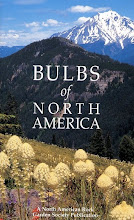
Bulbs of North America with Jane McGary, Editor
Gardening with Native Plants of the Pacific Northwest by Arthur R Kruckeberg
Lewisias by B LeRoy Davidson
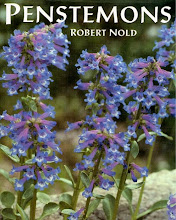
Northwest Penstemons by Dee Strickler
Plants of the Pacific Northwest Coast by Pojar & MacKinnon